An Overview
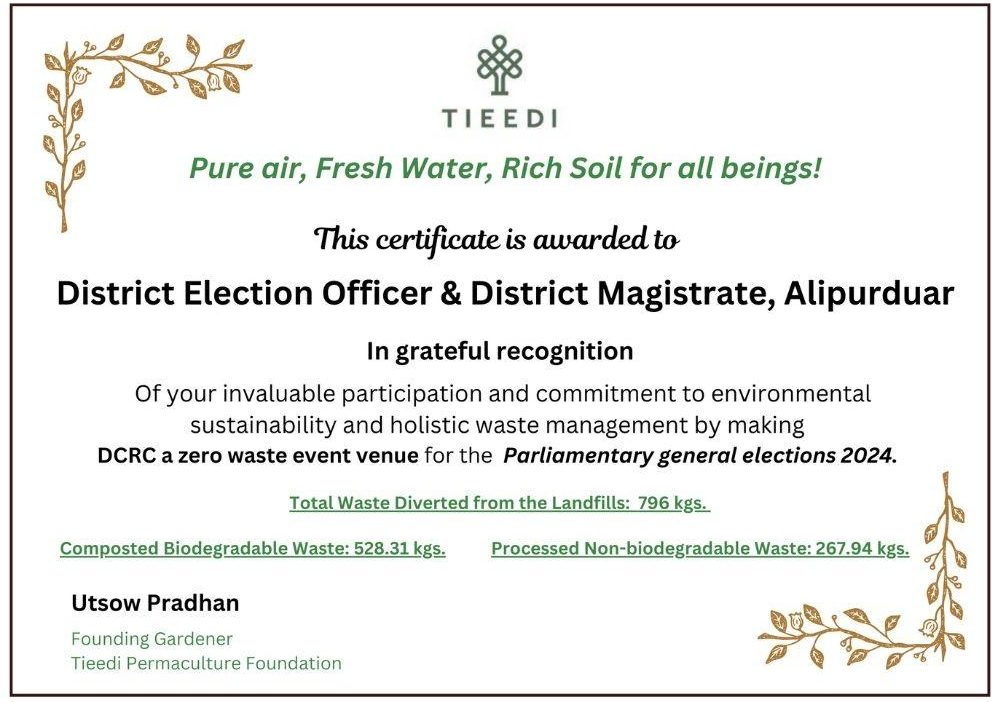
On April 2024, history was quietly made in Alipurduar, West Bengal. Amid the hustle and logistics of the parliamentary general elections, something extraordinary happened – a District Counting and Receiving Centre (DCRC) became India’s first Zero Waste Election Booth.
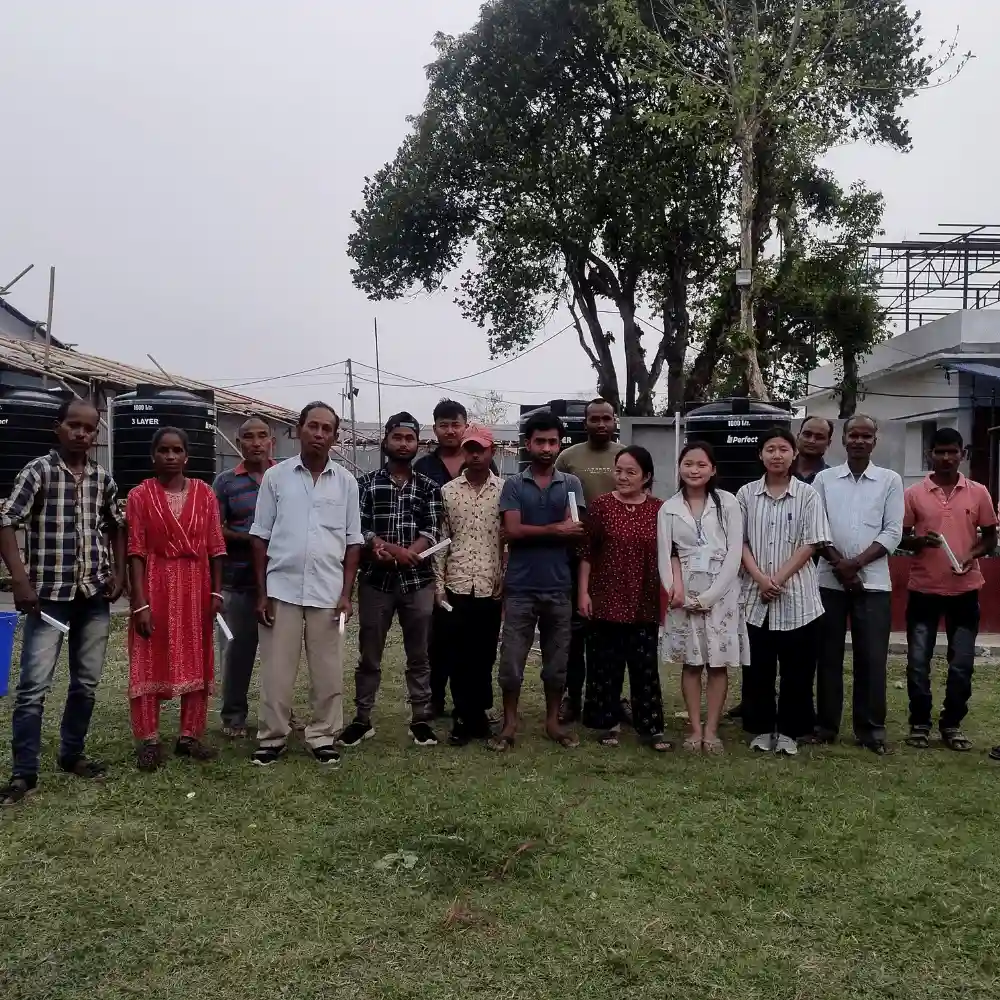
This initiative was part of the Zero Waste Andolan, led by team TIEEDI. It wasn’t just about managing waste; it was about challenging the norms of how we conduct large-scale events in the country. From biodegradable waste composting to intricate segregation of non-biodegradable materials, the Alipurduar DCRC set a benchmark for what’s possible when communities come together with a clear vision.
Laying the Groundwork
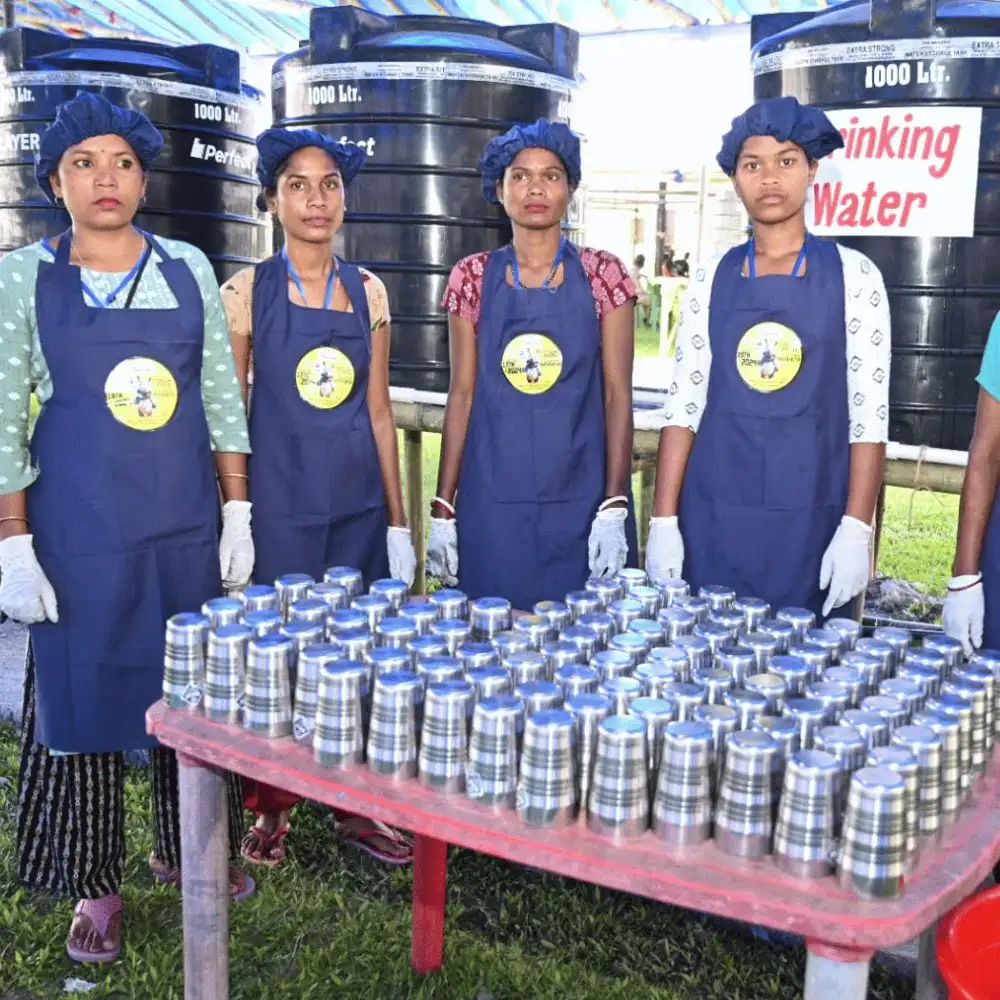
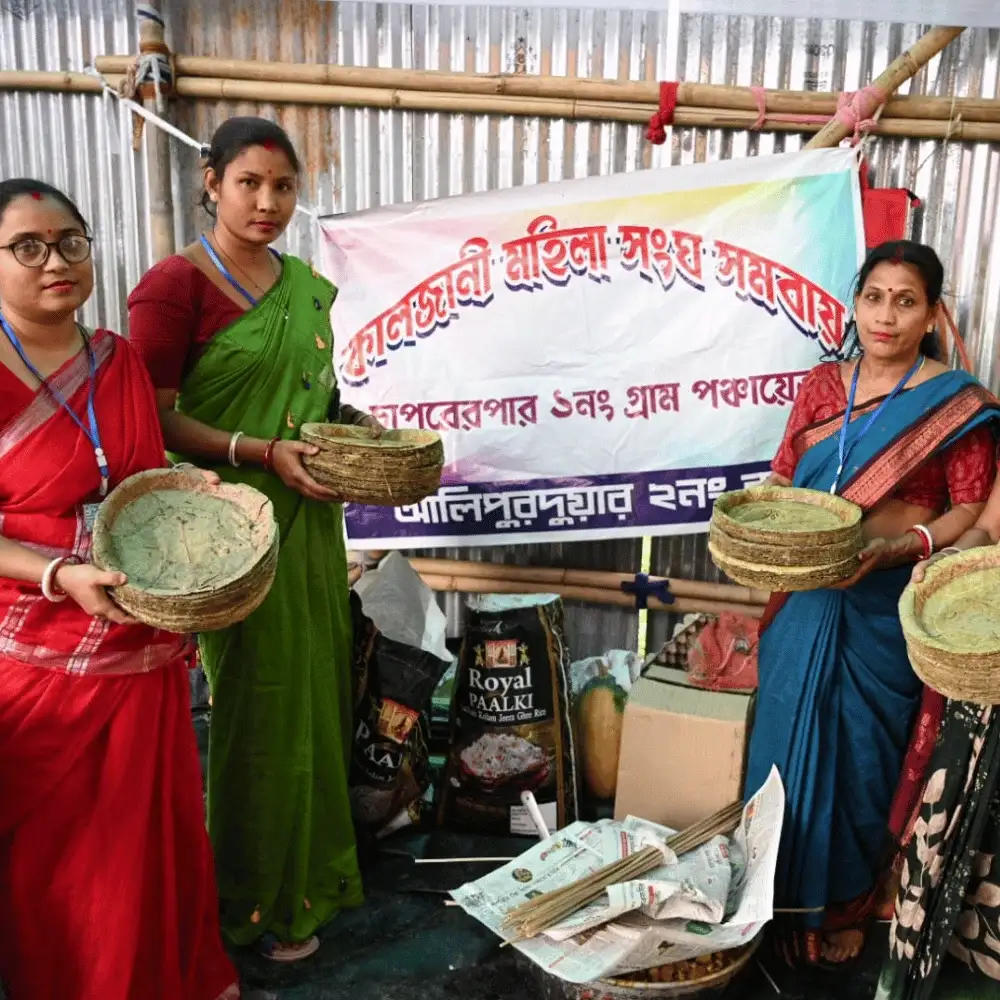
The journey began with meticulous planning. Months before the event, TIEEDI identified the key sources of waste generated at DCRCs – single-use plastics, flex banners, disposable cutlery, and paper cups. The solution was clear: no landfill dumping, no burning, and no single-use materials.
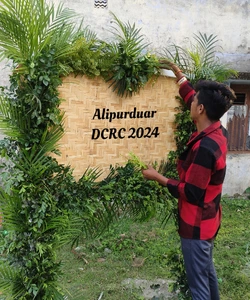
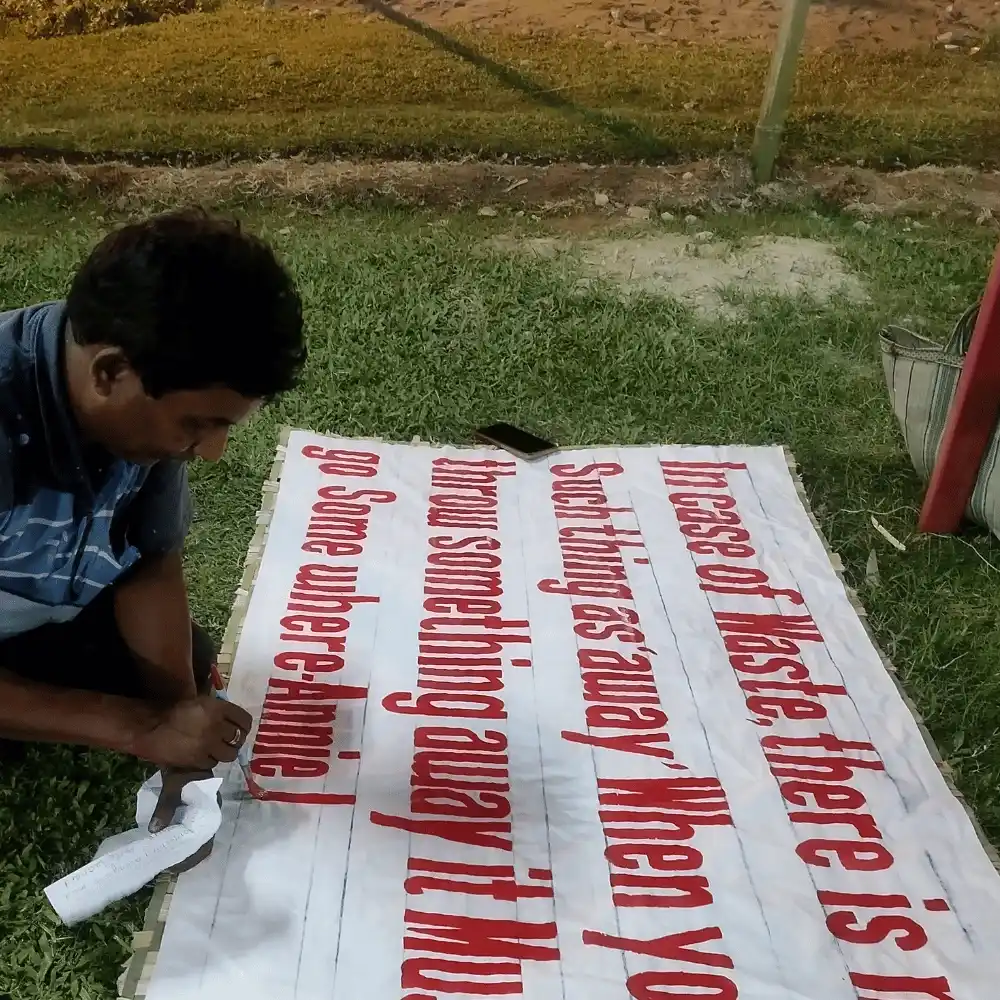
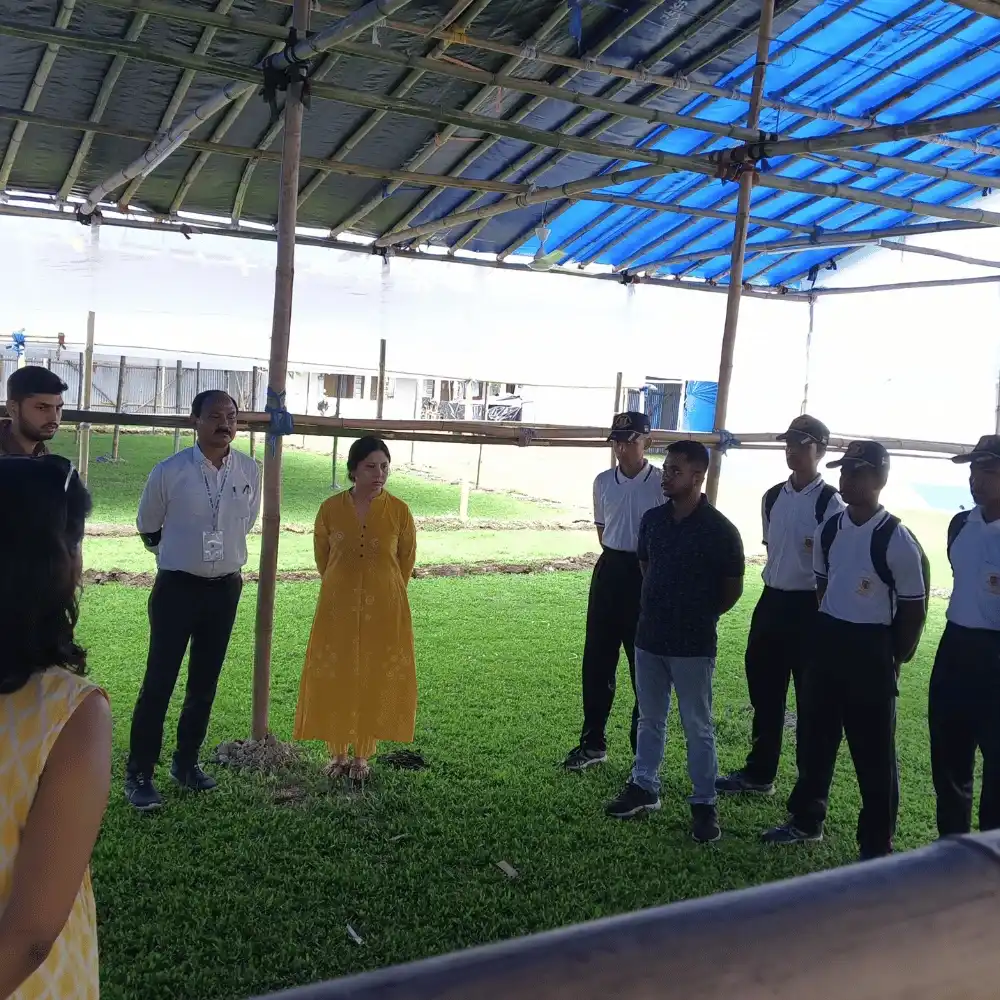
Local vendors were brought on board to supply biodegradable alternatives, while safai karmacharis and NCC volunteers were trained to manage waste holistically. Even signage was printed on reusable cotton cloth banners, ensuring no plastic waste from banners.
The Day Before the Election
On the eve of the event, the team conducted a pre-event cleanup to ensure no legacy waste remained on-site. A zero-waste eco-store was set up at the food park to promote environment-friendly products. Every corner of the venue was checked and double-checked, and every team member knew their role.
On-Site Execution
The event day saw a flawless implementation of the zero-waste strategy:
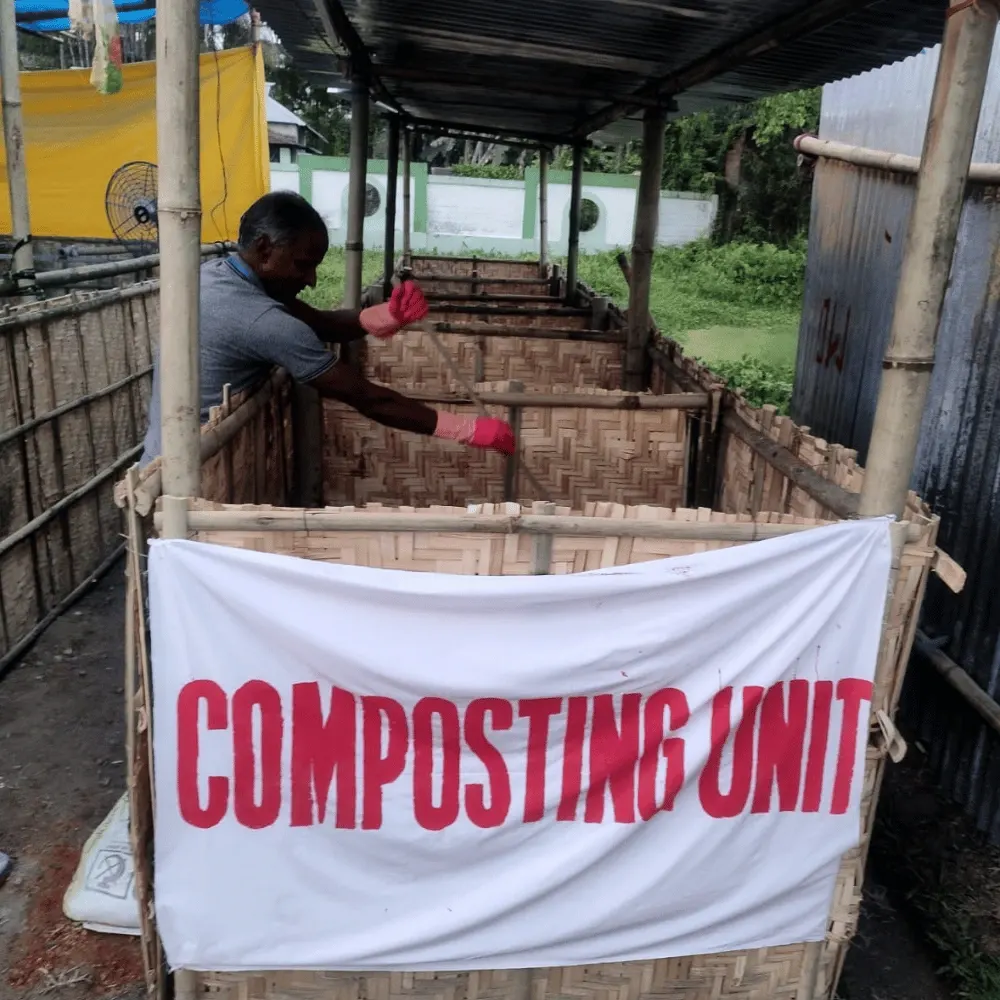
- Biodegradable Waste: Managed on-site with a composting unit built using natural materials.
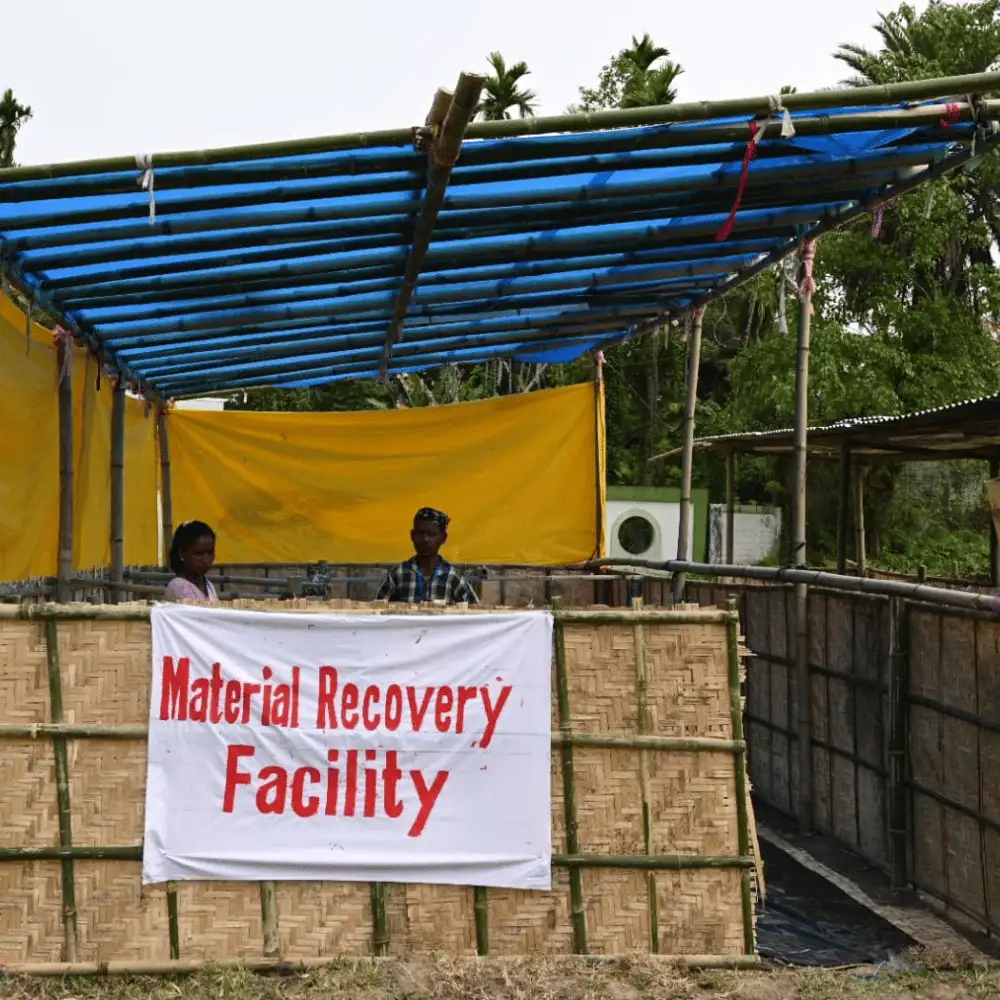
- Non-Biodegradable Waste: Segregated into 22 categories at a Materials Recovery Facility (MRF) and sent for recycling.
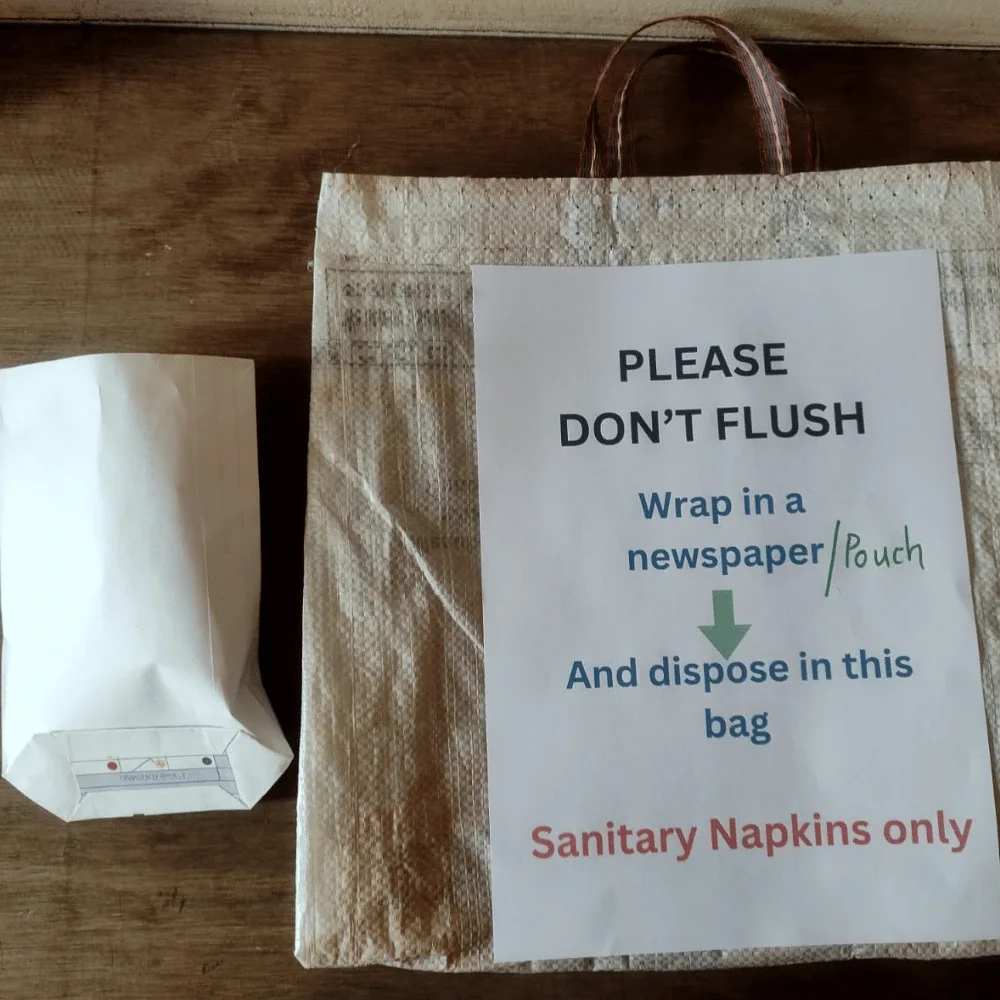
- Sanitary Waste: Collected in specially designed pouches and sent to a processing facility in Pune.
The two-bin system ensured waste segregation at the source, significantly reducing contamination and increasing recyclability.
The Impact
The results were remarkable:-
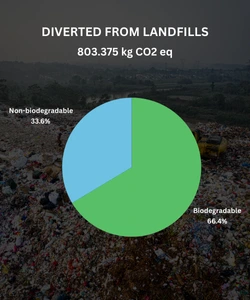
- 528 kg of biodegradable waste was composted on-site, preventing it from reaching landfills.
- 267 kg of non-biodegradable waste was segregated and processed, saving an equivalent of 0.543 tons of CO2 emissions.
These numbers aren’t just statistics; they’re proof that even large-scale events can leave behind no trace of waste.
A Blueprint for the Future
The Alipurduar DCRC is more than a milestone; it’s a model. It shows how elections – often synonymous with chaos and waste – can be conducted responsibly. By prioritizing waste reduction, segregation, and composting, the team demonstrated that zero waste is achievable, even at scale.
This project isn’t just about elections; it’s a call to rethink how we organize events, large or small. It’s about realizing that every piece of waste has a place – whether in a compost pit, a recycling bin, or repurposed into something new.